

Musiikki ja PR: How to Build a Story for an Artist
A few years ago I sat in a cramped backstage room in Tampere with a Finnish artist who had spent nearly a decade releasing solid music to almost no attention. Then we changed one thing: the story. Instead of pitching another single, we pitched a narrative — a comeback built around burnout, recovery and a record made in a summer cabin with no phone signal. Within months, blogs that had ignored her for years were writing features, and a playlist editor at a major streaming service got in touch. Nothing about the songs changed. Everything about how they were framed did.
That experience is why I care so much about musiikki ja PR. As a lyricist and copywriter, I have watched how a well-built story turns a release into a moment. This guide walks through how I approach narrative for artists, from the first research session to the metrics that tell you whether it actually worked.
Why Storytelling Is the Backbone of Music PR
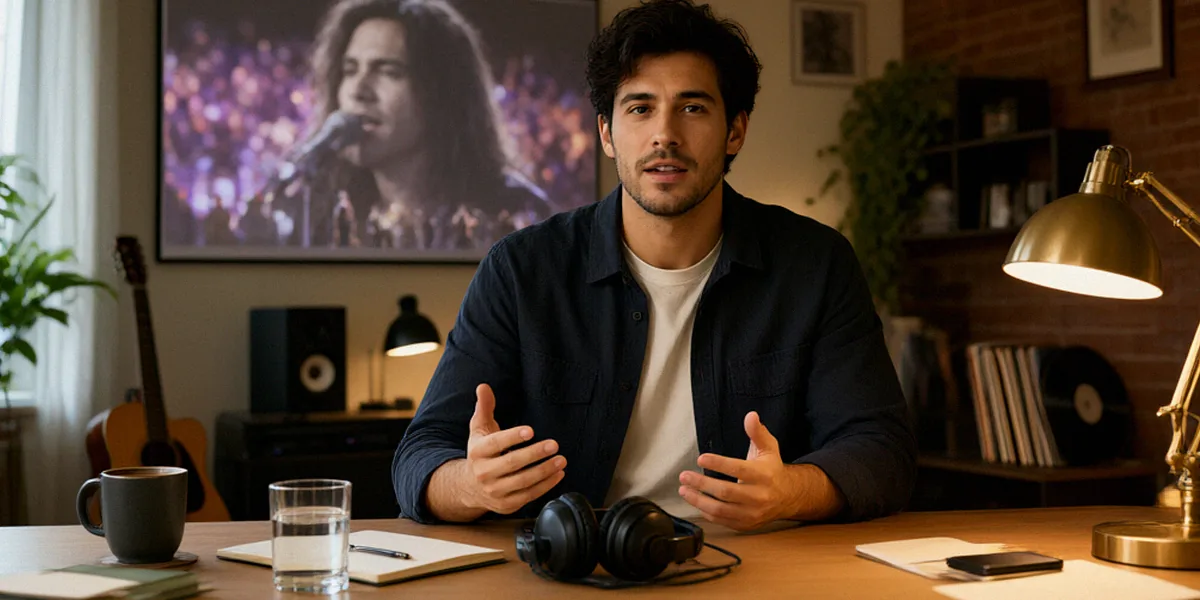
Streaming platforms have flattened access. Anyone can upload a track, which means the real scarcity is attention, not distribution. In that environment, a strong narrative is the fastest way to differentiate an artist. Adele’s authenticity — the sense that every song comes straight from her lived experience — has been central to her global appeal. Stormzy’s cultural impact is inseparable from his story of South London, grime and community. Neither artist could be swapped out for a generic voice, because the story is the product as much as the sound.
This is also where sanoittaja work intersects with PR. A lyricist does not just write lines; they build the emotional architecture that publicists later amplify. When the words and the press narrative pull in the same direction, coverage feels inevitable rather than forced.
The Psychology of Fan Connection
Fans do not bond with audio files. They bond with meaning. Research on parasocial relationships shows that listeners form attachments when they feel they understand an artist’s motivations, struggles and values. A well-told story gives them a reason to care beyond the chorus — and caring listeners stream more, share more and buy more merch.
From Lyrics to Narrative: The Sanoittaja’s Role
In my own sanoittaminen work, I treat lyrics as the seed of the PR story. If a song is about leaving a small town, that detail becomes a press angle. If a bridge references a specific street or a family ritual, it becomes a hook for interviews. The lyricist and the publicist should be reading from the same script, even if they never meet.
Crafting the Artist’s Story: A Step-by-Step Approach
Building a story is not about inventing a persona. It is about finding the truth that is most useful and then shaping it for the right audience. My process usually looks like this:
- Research the background. Sit down with the artist and map their history — where they grew up, first gigs, formative records, turning points.
- Identify unique angles. Look for details that are specific, verifiable and emotionally resonant. Specificity beats superlatives every time.
- Align with genre expectations. A folk artist and a drill artist need different framing, even if the underlying story is similar.
- Test the narrative. Run it past a trusted journalist or playlist curator before committing to a full campaign.
In the UK, BBC Introducing is one of the best places to test whether a story lands, because regional uploads are assessed by people who actually listen. PRS for Music is another essential resource, both for understanding royalties and for connecting with a wider professional network that can validate your angle.
Finding the Authentic Angle
Authenticity is not a vibe; it is a discipline. The angle must survive a five-minute conversation with the artist without them flinching. If they cannot tell the story themselves in their own words, it is not ready.
Aligning Story with Genre and Audience
A metal band’s story should honour the scene’s values — DIY ethics, live intensity, loyalty. A pop artist’s story can lean into reinvention and visual world-building. Matching the narrative to the genre’s existing conversation makes coverage easier to secure.
The Role of PR in Amplifying the Story
Once the story exists, PR gets it in front of the right people. In the UK that means pitching to titles like NME, Clash and The Guardian, each of which has a distinct editorial tone. NME may want the cultural angle, Clash the aesthetic, The Guardian the social context. A good publicist tailors the pitch rather than blasting the same email.
Timing matters just as much. Releases aligned with Glastonbury Festival or Reading & Leeds can ride a wave of national music attention, but only if the story is ready before the festival cycle begins. Planning six months ahead is normal for a serious campaign.
Building Media Relationships in the UK
Relationships are built over years, not press releases. I have found that offering exclusives, being honest about an artist’s stage of career, and never wasting a journalist’s time pays off far more than mass mailouts.
Press Release Essentials for Musicians
- A single, clear headline angle — not a list of every achievement
- One paragraph of story, one of context, one of logistics (release date, links, assets)
- High-resolution press photos and a short artist bio
- A direct contact and a clear ask: review, interview, premiere or playlist
Integrating Storytelling Marketing into Music Campaigns
Storytelling markkinoinnissa is not a separate discipline from music PR — it is the same craft applied to owned channels. Social media, behind-the-scenes content and fan engagement all extend the narrative. In the UK, TikTok and Spotify’s UK playlist curators are two of the most powerful amplifiers available to independent artists, but only when the content feels native to the platform rather than repurposed from a press release.
Social Media Narratives That Convert
Short-form video rewards serialised storytelling: a studio diary, a songwriting breakdown, a tour mishap. Each clip should stand alone but also advance the larger arc. Consistency beats production value.
Case Study: A UK Indie Band’s Success
A Manchester four-piece I advised built their campaign around a single narrative thread — recording their debut in a disused mill. Every TikTok, every interview and every press pitch returned to that image. The result was a feature in NME, a BBC Introducing session and a support slot at a major festival. The story did the heavy lifting.
Common Pitfalls and How to Avoid Them
The fastest way to lose credibility is to fabricate a story that the artist cannot sustain. Over-promising — ”the next Arctic Monkeys” — invites ridicule. Ignoring local culture is equally damaging.
Authenticity vs. Manufactured Hype
Manufactured hype can generate a spike, but it leaves no residue. Authentic stories compound over time because journalists and fans return to them.
Cultural Sensitivity in UK Markets
Misusing slang, flattening regional identity or ignoring scenes in Manchester, London, Glasgow or Cardiff will be noticed immediately. If you are an outsider, hire local expertise rather than improvising.
Measuring Success: Metrics That Matter
I track three layers of performance: press coverage, streaming numbers and social engagement. For chart context, the Official Charts Company provides the definitive UK reference point. For campaign-level analysis, Google Analytics and platform-native dashboards show which stories actually drove traffic and saves.
Beyond Vanity Metrics
Follower counts mean little if engagement is flat. Saves, playlist adds and email sign-ups are better indicators of genuine interest.
Adjusting Strategy Based on Data
If one narrative angle outperforms another, lean into it. Data should refine the story, not replace it.
A well-told story, backed by strategic PR, turns casual listeners into loyal fans. Whether you are a sanoittaja, a tekstiurakoitsija or an artist building your own campaign, invest in narrative from day one — because the music may get the first play, but the story gets the second.
FAQ
What exactly does a sanoittaja do?
A sanoittaja is a lyricist who writes the words for songs, often collaborating with composers and producers. Beyond writing, they help shape the emotional narrative that PR and marketing teams later amplify.
How is storytelling markkinoinnissa different from standard music PR?
Storytelling marketing focuses on owned channels — social media, newsletters, behind-the-scenes content — while traditional PR targets earned media like NME or The Guardian. The strongest campaigns run both in parallel.
Do I need a PRS for Music membership as an independent artist?
If you are writing and performing your own music in the UK, joining PRS for Music ensures you collect royalties when your work is played or broadcast. It is one of the first administrative steps I recommend.
How important is BBC Introducing for emerging UK artists?
Very. BBC Introducing offers regional uploads and national exposure, and it is often the first credible platform to validate both your music and your story.
When should I start planning a PR campaign around a release?
Ideally three to six months before release, especially if you want to align with events like Glastonbury Festival or target playlist curators at Spotify and Apple Music.